
Organisational culture change
“What happens to one happens to us all. We can starve together or feast together. All flourishing is mutual.”
- Robin Wall Kimmerer
Create a culture that matches your strategic ambition
What motivates so many people doing change work is a compelling vision for a different future. The things we imagine - more freedom, more care, community, collaboration, safety, dignity, beauty, reciprocity, abundance - are typically the ones marginalised by the dominant culture.
This is why the implementation often gets tricky. Because the things we long for are deeply counter-cultural, meaning the current system doesn’t teach, encourage or incentivise them. So in our day-to-day, and particularly under pressure, we fall back into the ways we’ve been conditioned - such as individualistic, competitive behaviour or linear thinking.
This creates a gap between our vision and values and our actions and behaviours. The cost of this gap can be small (misunderstandings, awkwardness, tension etc.), and sometimes it’s huge (loss of trust, causing harm, being accused of coopting language etc.).
The values-action gap is a deeply human thing. It’s not a sign of failure but a signature of our time that points to the depth of the change that needs to happen.
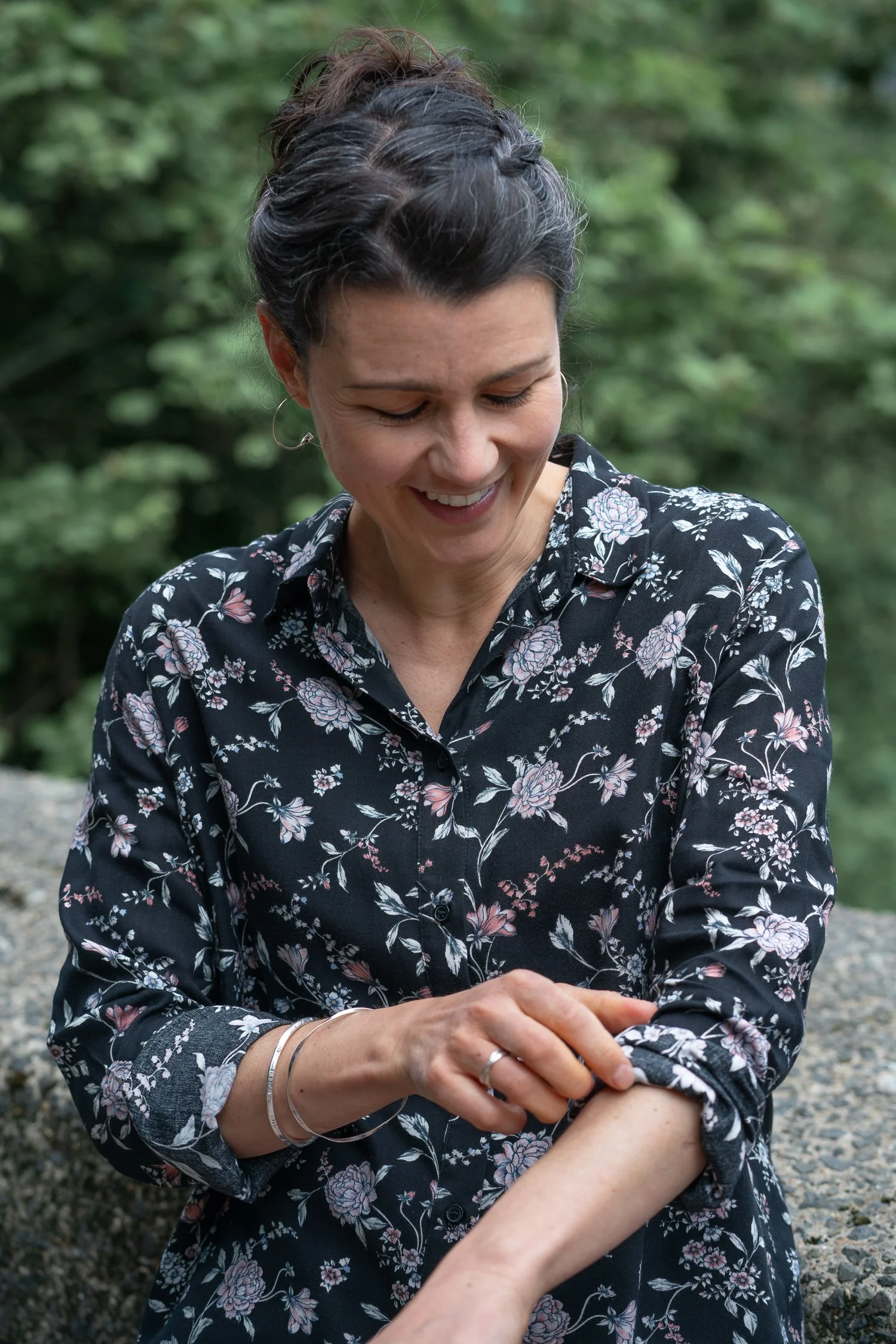
Photo by the talented and charming Livio Salvi
Organisational culture change is about bringing our everyday norms and behaviours into alignment with your values so that they can enable and fortify - rather than contradict or undermine - your boldest visions, missions and strategies.
Culture is the glue that holds everything together. It’s what we do every day, over and over again, it’s how we treat ourselves and each other, it’s the symbols, rituals, values, norms, language, history, stories, music, art, food, jokes, dress codes etc that we share.
Aligning your culture with your vision is central achieving your strategy, especially if it is about increasing equity, inclusion and social justice. Simply bringing people with different backgrounds and identities into an organisation without the dominant culture being open to change leads to assimilation, not inclusion.
Learning how to shift existing cultures so that you can harness (rather than flatten) difference and move through conflict (rather than around it) is a critical capacity in a time when high pressure and uncertainty is becoming the backdrop of so much of our work.
What a culture change process entails
All of my work is fully bespoke and will be shaped together with each organisation. A culture change process typically requires a minimum of six months of working together, either with the whole organisation or the leadership team / board to start with. Core elements include:
A mix of workshop facilitation, content input, qualitative research, embodied resilience practice, 1-to-1 support and mediation (if needed)
Working in smaller constellations for increased safety, courage and impact
Developing a shared language and understanding around power, rank and identity, culture, conflict and feedback
Regular review points for reflection and adaptation
A shadow consultant on each project for supervision, quality assurance and support
Each organisation is unique. You might require some or all of the above or something different entirely. My work is tailored to each specific context and meets you where you are.
Drop me a line or book a free call to discuss what working together might look like.
Want to explore something else?
If you resonate with my approach but what you need isn’t on my list, it doesn’t mean it’s not possible!
Feel free to drop me a line or schedule a call to discuss.